Cross-Border Construction Law and Building Due Diligence in the Czech Republic: What Foreign Investors Should Know
.png)
If you are planning a construction project in Europe—or you are a foreign investor considering development in the Czech Republic—you need to expect a complex mix of rules, permits, and local administrative practice. Under Czech law, construction permitting is not a “copy-paste” process from Germany, Poland, Austria, or other EU jurisdictions. And while the EU influences parts of construction (products, safety, environmental rules), the permitting process itself remains largely national.
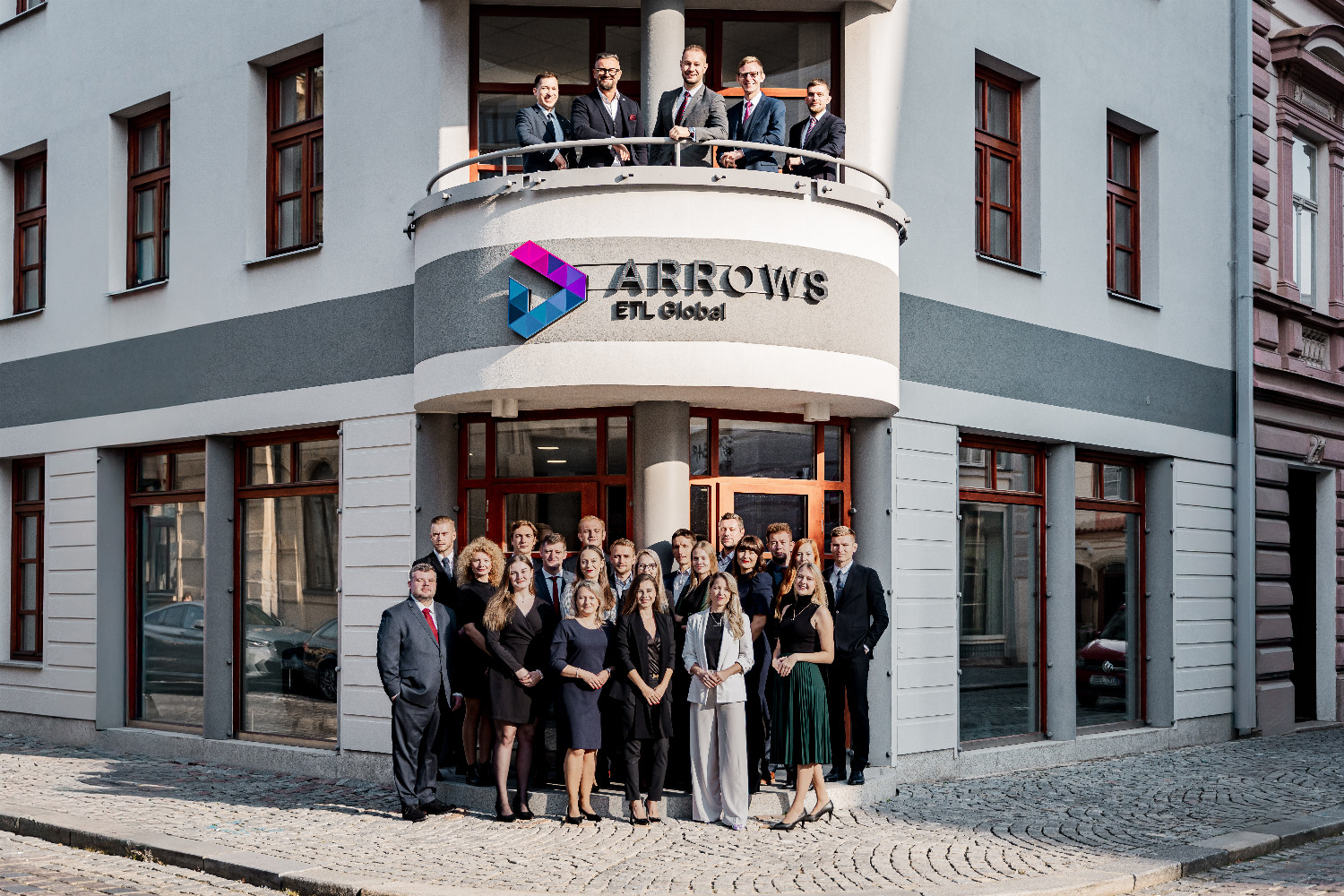
This guide explains what typically differs in practice and where foreign investors most often underestimate the Czech legal environment.
1) Why Construction Permitting Is Still “Local” Even Inside the EU
Although the European Union harmonizes many areas of regulation, construction law in the sense of building permits and administrative procedures is not fully harmonized. EU rules mainly cover areas such as:
-
safety requirements for buildings and materials
-
construction products (CE marking and market access)
-
environmental impacts (e.g., EIA)
-
health and environmental protection standards
However, the actual permitting workflow—deadlines, participants, documentation requirements, appeals, formalities—remains largely defined by Czech law and Czech administrative practice.
For foreign investors, this means one thing: if you assume “it works the same everywhere in the EU,” you will likely miss key risks—especially around timelines, procedural deadlines, and local zoning.
2) Digital Permitting, Online Submissions, and BIM in the Czech Republic
The Czech Republic is moving toward a more digital construction administration model through tools such as the Builder’s Portal (Portál stavebníka) and the National Geoportal of Planning (Národní geoportál územního plánování). In many cases, documentation is expected to be filed primarily in electronic form.
BIM (Building Information Modeling): mandatory vs. contractual
In the Czech Republic, BIM requirements are most relevant for certain public procurement projects. For private cross-border developments, BIM is often a contractual decision rather than a direct statutory obligation.
The critical legal point is not whether BIM exists—but who is legally responsible for the data and outputs in the model (BIM Protocol and related clauses).
Practical risk: If the contract does not define responsibility for model data, coordination errors can turn into expensive dispute territory.
Czech Legal Context (Quick Note)
Cross-border construction projects in the Czech Republic are high-risk because Czech authorities will focus heavily on procedure and documentation. What surprises investors most often:
-
the permitting process is driven by Czech administrative procedure, not EU practice
-
local zoning rules can be technical and difficult to interpret without Czech-language expertise
-
the circle of participants may include neighbors beyond direct adjacency
-
missing documents can delay or block occupancy approval (kolaudace)
-
contract templates (including international standards like FIDIC) must be adapted to Czech law
3) Building Due Diligence in the Czech Republic: The First “Make-or-Break” Step
For foreign investors, due diligence of a Czech construction site is not just a land registry check. It is a strategic legal audit.
Title and property restrictions
A land registry extract may look clean at first glance, but major real-life risks may still exist, such as:
-
historic easements or utility rights not clearly mapped
-
restrictions that practically block disposal or financing
-
“hidden” access rights used by third parties in practice
Investor takeaway: Under Czech law, it is not enough to rely on the current registry status. Combine legal review with a physical and technical site assessment.
4) Zoning and Local Planning: The Permit Will Fail Without It
In the Czech Republic, zoning compliance is not optional. If the intended project conflicts with local planning documentation, the Czech building authority will not approve the permit.
For a foreign investor, zoning plans can be difficult to interpret due to:
-
Czech-language technical terminology
-
functional use categories and land-use limitations
-
buildability coefficients and density restrictions
-
prior decisions issued for the site (historic permits, planning decisions)
Practical risk: Buying land that is not suitable for your intended development is one of the most common high-cost mistakes.
5) Utilities and Protective Zones Can Decide Feasibility and Budget
Even strong projects fail because of utilities. In the Czech Republic, investors must confirm not only proximity—but actual capacity and approvals for connection:
-
water and sewer capacity
-
electricity and gas capacity
-
connectivity approval by network owners
Protective zones (utility protection corridors) may restrict construction activity and trigger expensive relocations or redesign.
Real-life scenario: An investor completes the shell, but the distributor refuses connection due to insufficient grid capacity.
6) Materials, CE Marking, and “Czech Acceptance” Issues
Construction products are influenced by EU-level rules, including the Construction Products Regulation (CPR). In practice, materials used in Czech projects must generally meet one of two pathways:
-
CE marking (where harmonized standards exist)
-
compliance with Czech national requirements (where harmonized standards do not exist)
Practical risk for foreign supply chains: If a foreign contractor brings materials that cannot be used under Czech compliance requirements, they may be rejected at inspection or block occupancy approval.
7) Contracts: FIDIC vs. Czech Contracting Reality
International standards such as FIDIC can be useful—especially for bank-financed projects—because they provide structure and risk allocation.
However, FIDIC templates must be adapted to Czech law, especially to avoid unenforceable clauses or contractual gaps in areas like:
-
liability and remedies
-
warranties and retention mechanisms
-
documentation responsibilities
-
coordination with Czech permitting steps
Warranties and defect liability
Czech law distinguishes between obvious and hidden defects and expects clear contractual handling of:
-
defect deadlines
-
retention amounts
-
claim procedures
Investor takeaway: Do not use “international templates” without Czech adaptation. It can be enforceable in theory—and useless in court.
8) Cross-Border Risks That Foreign Investors Underestimate
Foreign investors entering the Czech market typically face risk not because of “bad law,” but because of different legal logic and administrative behavior.
Common examples include:
-
restrictions registered against the property that block transactions or financing
-
unclear ownership history or third-party rights
-
construction changes not aligned with issued permits (risk of inspections, penalties, stop orders)
-
disputes caused by unclear responsibility for design documentation
9) Financing and Tax Considerations for Czech Construction Projects
Banks financing Czech construction projects often require a full security package, typically including:
-
mortgage/lien over the real estate
-
pledges over SPV shares
-
pledges over receivables/accounts
-
assignment of insurance proceeds
Insurance: not optional in serious financing
Construction All Risks (CAR/EAR) and liability coverage are standard expectations.
Czech real estate tax: usually a pleasant surprise
Property tax in the Czech Republic is not generally calculated as a percentage of market value. It is primarily based on area and local coefficients.
VAT and deal structure (asset deal vs. share deal)
From a transaction and tax perspective, foreign investors should understand the difference between:
-
asset deal (transfer of real estate)
-
share deal (transfer of shares in the project SPV)
These routes can materially affect VAT treatment and transaction efficiency.
10) Occupancy Approval (Kolaudace): Where Projects Get Stuck
After construction is completed, you typically still need occupancy approval in the Czech Republic before the building can be used.
Occupancy approval often gets delayed due to missing documentation, such as:
-
certificates and declarations for embedded materials
-
technical inspection reports (electricity, gas, chimney systems)
-
as-built geodetic documentation
Critical payment strategy: Investors often structure a retention (“holdback”) so the contractor’s final payment is released only after successful occupancy approval and completion of defects.
Key Takeaways for Foreign Investors
-
Legal due diligence is mandatory — identify land and regulatory risks before you buy.
-
Local zoning is decisive — without compliance, permits fail.
-
The permitting process is not “EU-standard” — under Czech law, local administrative procedure drives outcomes.
-
Utilities and protective zones can destroy feasibility — verify capacity early.
-
Contracts must fit Czech reality — especially if using FIDIC.
-
Plan for occupancy approval from day one — documentation can delay go-live for months.
FAQ: Cross-Border Construction and Due Diligence in the Czech Republic
1) As a foreign investor, what legal structure is best for acquiring land in the Czech Republic?
In practice, investors often use a Czech SPV (typically a Czech limited liability company, s.r.o.) to hold the land. This can help separate risks, improve bankability, and simplify project structuring.
2) How long does it take to obtain a building permit in the Czech Republic?
It depends on the project complexity and location. While deadlines may exist in legislation, in real life—including preparation, authorities’ statements, and negotiations—larger projects can take many months, sometimes a year or more.
3) Who can participate in Czech permitting proceedings?
Besides the applicant, parties can include municipalities and neighboring property owners whose rights may be directly affected. Their objections must be addressed by the authority.
4) Can I use FIDIC contracts in the Czech Republic?
Yes, and banks often prefer them for large projects. But they must be adapted to Czech law to ensure enforceability.
5) Can a project be blocked by missing “small documents” at the end?
Yes. Missing certificates, inspection reports, or as-built documentation can delay occupancy approval (kolaudace), which impacts rental start, operations, and financing drawdowns.
Next Step: Reduce Czech Legal Risk Before You Commit Capital
If you are planning a construction project in the Czech Republic, the fastest way to protect your timeline and budget is a structured legal risk review—before you buy the land or sign binding contracts.
ARROWS can help you with:
-
Czech construction due diligence (legal + permitting risks)
-
zoning and permitting strategy
-
contract review (including FIDIC adaptation to Czech law)
-
financing and transaction structuring
Contact us at office@arws.cz and we will propose the next step based on your project stage (risk assessment, document review, or a clear permitting roadmap).
Disclaimer: This article is for general informational purposes only and reflects typical considerations under Czech law and Czech administrative practice. Legal requirements and interpretation may change over time, and every project in the Czech Republic requires an individual assessment. Contact ARROWS for legal advice.